
Mientras seguimos atentos a la agenda política nacional, el mundo atraviesa una de las etapas geopolíticas más complejas desde el final de la Guerra Fría.
Ucrania y Rusia continúan en conflicto; Israel e Irán mantienen la tensión sobre el estrecho de Ormuz, por donde circula cerca del 20% del petróleo transportado por mar; China incrementa la presión sobre Taiwán y Filipinas, mientras la disputa económica entre Estados Unidos y China redefine el comercio mundial.
Podría parecer que todo ocurre a miles de kilómetros de Quintana Roo. Sin embargo, sus efectos ya comenzaron a sentirse aquí.
Todos estos conflictos tienen un mismo resultado: encarecen la energía, los seguros, el transporte y la logística internacional.
La evidencia ya es visible.
Un contenedor marítimo de 20 pies procedente de China con destino a la Península, que a principios de año costaba alrededor de 3,850 dólares, podría superar los 8,000 dólares durante el segundo semestre, un incremento superior al 110%.
Ese aumento termina reflejándose en alimentos, vinos, blancos, mobiliario, amenidades, equipos de aire acondicionado, elevadores, acero, vidrio y prácticamente todo lo que hoteles, restaurantes, comercios y desarrolladores necesitan importar.
La presión también alcanza al transporte aéreo.
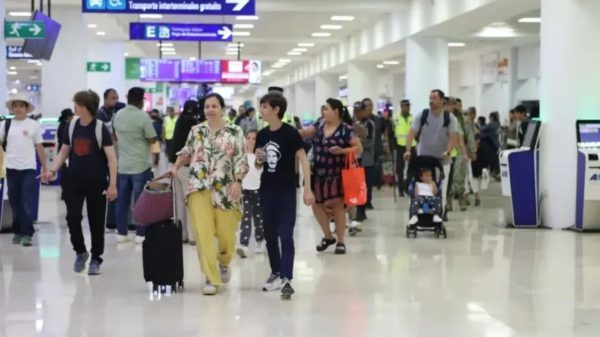
Un análisis de rutas internacionales hacia Cancún muestra que un boleto desde mercados como Madrid, París, São Paulo o Buenos Aires podría cerrar 2026 entre 20 y 35% por encima del promedio observado en el segundo semestre de 2025.
Para una familia de cuatro personas, ello puede representar cerca de mil dólares adicionales únicamente en el costo de llegar a nuestro destino.
¿Significa que dejarán de venir turistas? No necesariamente. El riesgo es más silencioso: estancias más cortas, menor consumo en restaurantes, excursiones y comercios, mientras las empresas turísticas pagan más por operar exactamente los mismos servicios.
La mejor estrategia no es esperar a que pase la tormenta, sino prepararnos.
Quintana Roo necesita fortalecer proveedores locales, diversificar mercados turísticos, desarrollar mayor producción regional y consolidarse como un centro logístico del Caribe.
En un mundo cada vez más incierto, la competitividad ya no dependerá únicamente de nuestras playas, sino también de nuestra capacidad para resistir los impactos globales.
Porque las guerras pueden comenzar muy lejos, pero la factura termina llegando al bolsillo de cada quintanarroense.
La geografía ya no determina quién gana. Hoy ganan quienes se anticipan. Y Quintana Roo todavía está a tiempo de convertir la incertidumbre mundial en una ventaja competitiva.
¡Hasta la próxima semana, con nuevos retos y oportunidades!
Sin miedo a la cima, porque el éxito ya lo tenemos.
DISTANT WARS, LOCAL BILLS
The Roar of the Lion
By: Sergio León Cervantes
While much of our attention remains focused on Mexico’s domestic political agenda, the world is experiencing one of its most complex geopolitical periods since the end of the Cold War. Russia’s war in Ukraine continues, tensions between Israel and Iran threaten the Strait of Hormuz—through which nearly 20% of the world’s seaborne oil passes—China continues to increase pressure around Taiwan and the Philippines, and the economic and technological rivalry between the United States and China is reshaping global trade.
At first glance, these conflicts seem to be unfolding thousands of miles away from Quintana Roo. In reality, however, their effects are already reaching our state.
Although these crises differ in origin, they all produce the same economic outcome: higher energy prices, rising insurance costs, more expensive transportation and increasingly costly global logistics. The evidence is already visible. A 20-foot shipping container from China to Mexico’s Yucatán Peninsula that cost approximately US$3,850 at the beginning of the year is projected to exceed US$8,000 during the second half of 2026—an increase of more than 110%. Those additional costs eventually appear in the prices of food, wine, hotel linens, furniture, amenities, air-conditioning systems, elevators, steel, glass and virtually every imported product used by hotels, restaurants, retailers and real estate developers.
Air travel is experiencing similar pressure. An analysis of international routes to Cancún suggests that round-trip airfares from markets such as Madrid, Paris, São Paulo and Buenos Aires could finish 2026 20% to 35% above the average recorded during the second half of 2025. For a family of four, that represents roughly US$1,000 in additional airfare before they even arrive at our destination.
Does this mean tourists will stop coming? Not necessarily. The greater risk is far more subtle: shorter stays, lower spending in restaurants, tours and local businesses, while tourism companies themselves face steadily increasing operating costs to deliver exactly the same services.
The smartest strategy is not to wait for the storm to pass, but to prepare for it. Quintana Roo must strengthen local supply chains, diversify its tourism markets, expand regional production and position itself as the Caribbean’s leading logistics hub. In an increasingly uncertain world, competitiveness will no longer depend solely on our beaches, but on our ability to withstand global disruptions.
Wars may begin thousands of miles away, but the bill ultimately reaches the pocket of every resident of Quintana Roo.
Geography no longer determines who wins. Today, success belongs to those who anticipate change. And Quintana Roo still has the opportunity to transform global uncertainty into a lasting competitive advantage.
¡ Until next week, with new challenges and opportunities!
Fearlessly reaching the top, because we already have success.
X: @Oigres14 | IG: @sergioleoncervantes | Mail: sergioleon@sergioleon.mx